Central Department of Journalism and Mass Communication
KMC Ward 14, Balkhu
KMC Ward 14, Balkhu
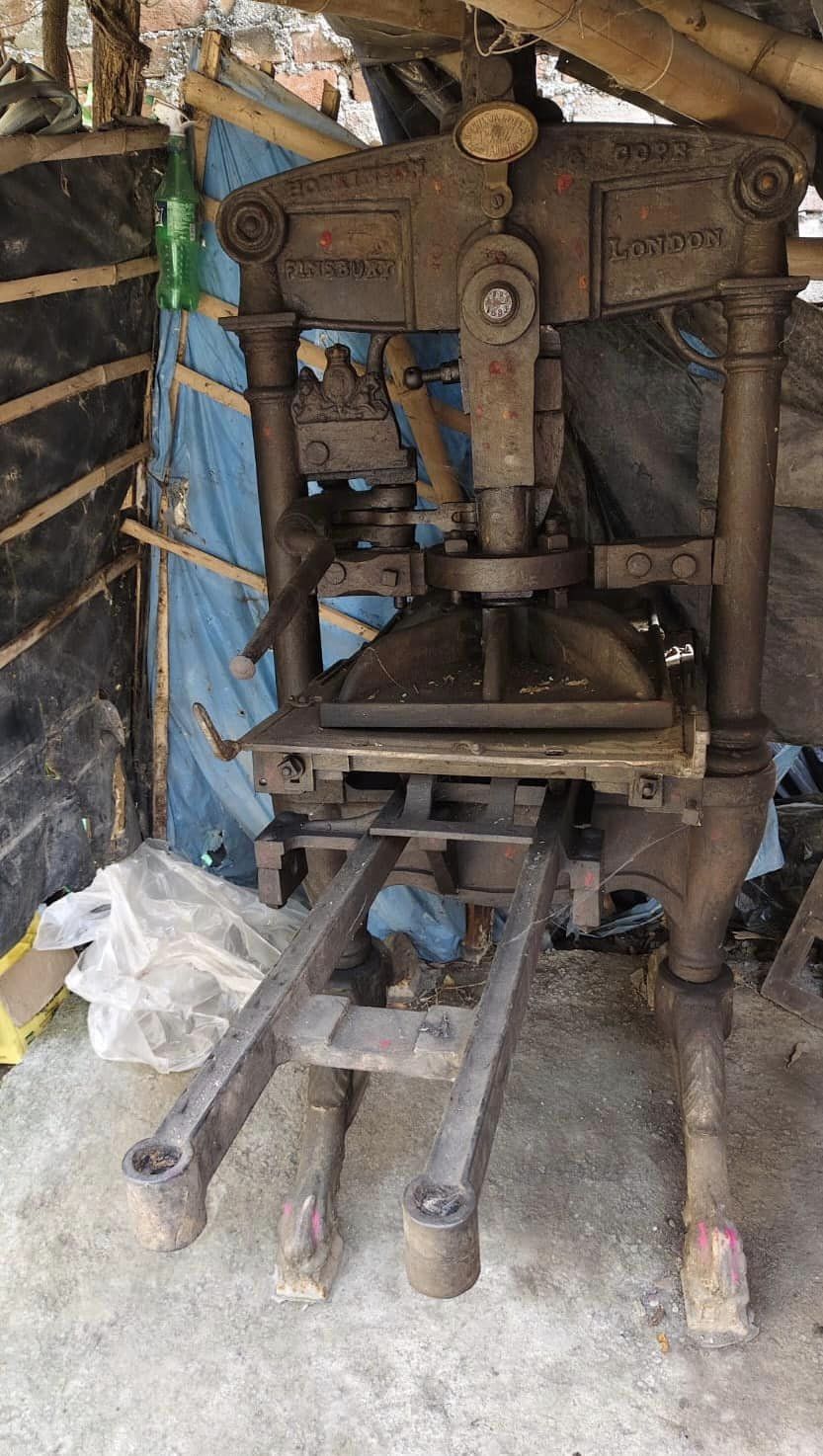
As soon as you walk up to the first floor of the building, this historic hand printing press will catch your eye. Built in London in 1883, this incredible piece of history has been preserved here at the Central Department of Journalism and Mass Communication since 2024.
Though this specific press traveled from Britain to Nepal, its technology is deeply rooted in the world’s very first modern printing press invented by Johannes Gutenberg. Gutenberg originally built his press out of wood in 1450s. To do this, he smartly copied the design of a wooden "wine press", a machine used back then to squeeze grapes for making wine; and transformed it into a printing machine. Gutenberg’s invention became the ultimate turning point that changed communication and journalism forever.
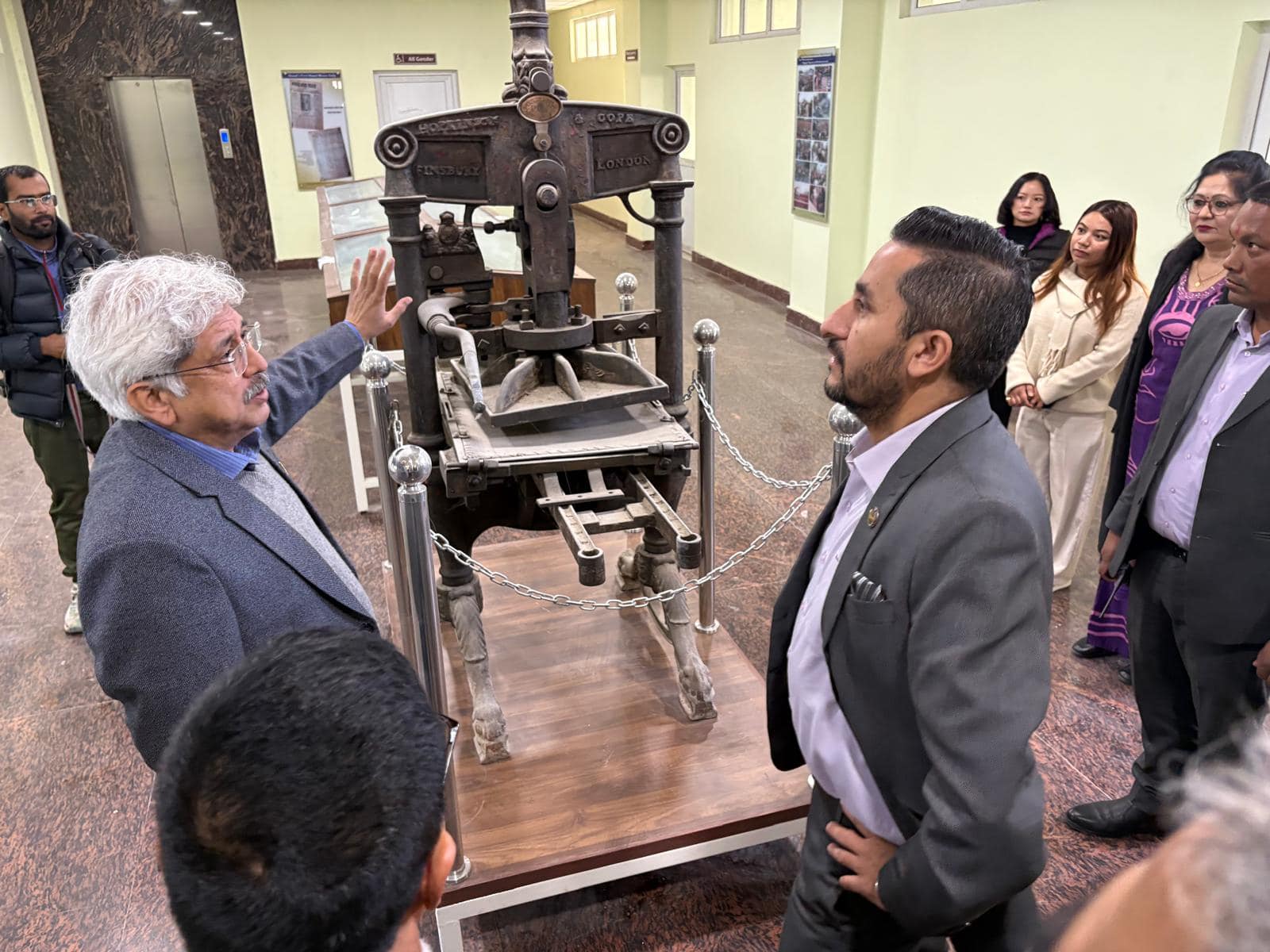
Over time, inventors improved Gutenberg's original ideas. While Gutenberg used wood, the historic press you see here in our department is made entirely of iron. It is similarly to Gutenberg’s design but has many upgrades. It is made of iron that is why it is incredibly heavy, which kept the machine stable and stopped it from shaking while printing.
This press belongs to a special group of 19th-century machines that used the "toggle-joint" technology. Instead of using the old, slow screw-turning system, it used a smart lever (a toggle handle).
This machine is a medium-to-large "jobbing press," capable of printing 100 to 300 pages per hour. In its glory days, it was the perfect machine for printing flyers, posters, small books, or newspapers. Because it was incredibly tough yet easy to move around, it was exported from Europe all across Asia during the 19th century. In fact, this very press first arrived in India during the British colonial period.
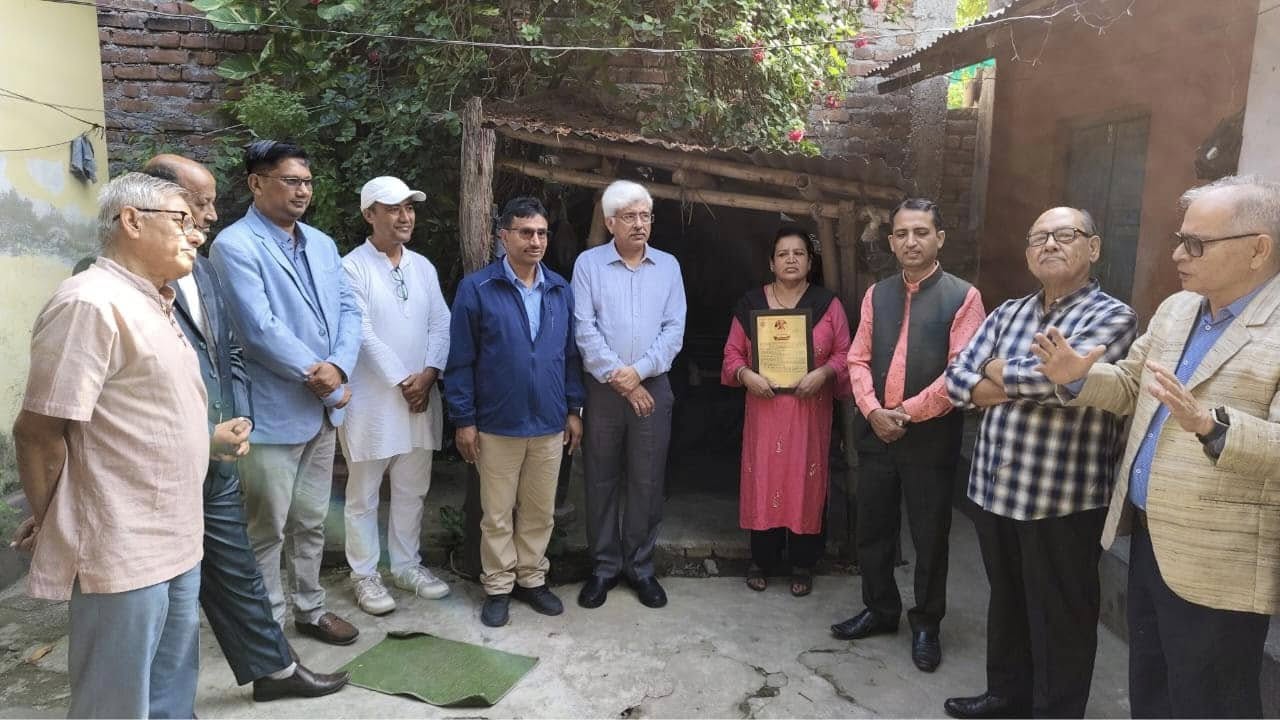 This press was brought to our department from Biratnagar with special efforts of HoD, Dr. Kundan Aryal. The press originally belonged to Radha Prasad Ghimire in Biratnagar, and it was his youngest daughter-in-law, Durga Ghimire, who handed it over to the department. A well-known industrialist, Suyash Pyakurel, also played a major role in safely transporting this heavy machine to the department.
When this legendary press was gifted to us, its journey made major headlines in national newspapers.
Read the full stories here: The Rising Nepal and Onlinekhabar.