Central Department of Journalism and Mass Communication
KMC Ward 14, Balkhu
KMC Ward 14, Balkhu
Kathmandu- Five master’s students from Central Department of Journalism and Mass Communication (CDJMC) have completed a week-long educational study visit focusing on AI and digital communication in Sichuan, China.
Organized under the academic exchange agreement between TU's Central Department of Journalism and Mass Communication and the University of Electronic Science and Technology of China (UESTC), the program provided Nepali students with theoretical and practical training in integrating AI into daily newsroom workflows, producing digital content, visual storytelling, and detecting and managing misinformation.
Noting that Nepal-China relations have crossed 71 years, UESTC Professor Zhang Xun stated that academic collaboration will continue in the future as part of ongoing efforts to connect friendly relations beyond government-to-government links to the people-to-people level.
The participating TU students were Anusha Kafle, Diksha Rai, Monica Waiba, Laxman Giri, and Priyanka Sunar from CDJMC and Shree KC from Nepal Law Campus. The Nepali delegation was led by Dr. Rishikesh Dahal from the Central Department of Journalism.
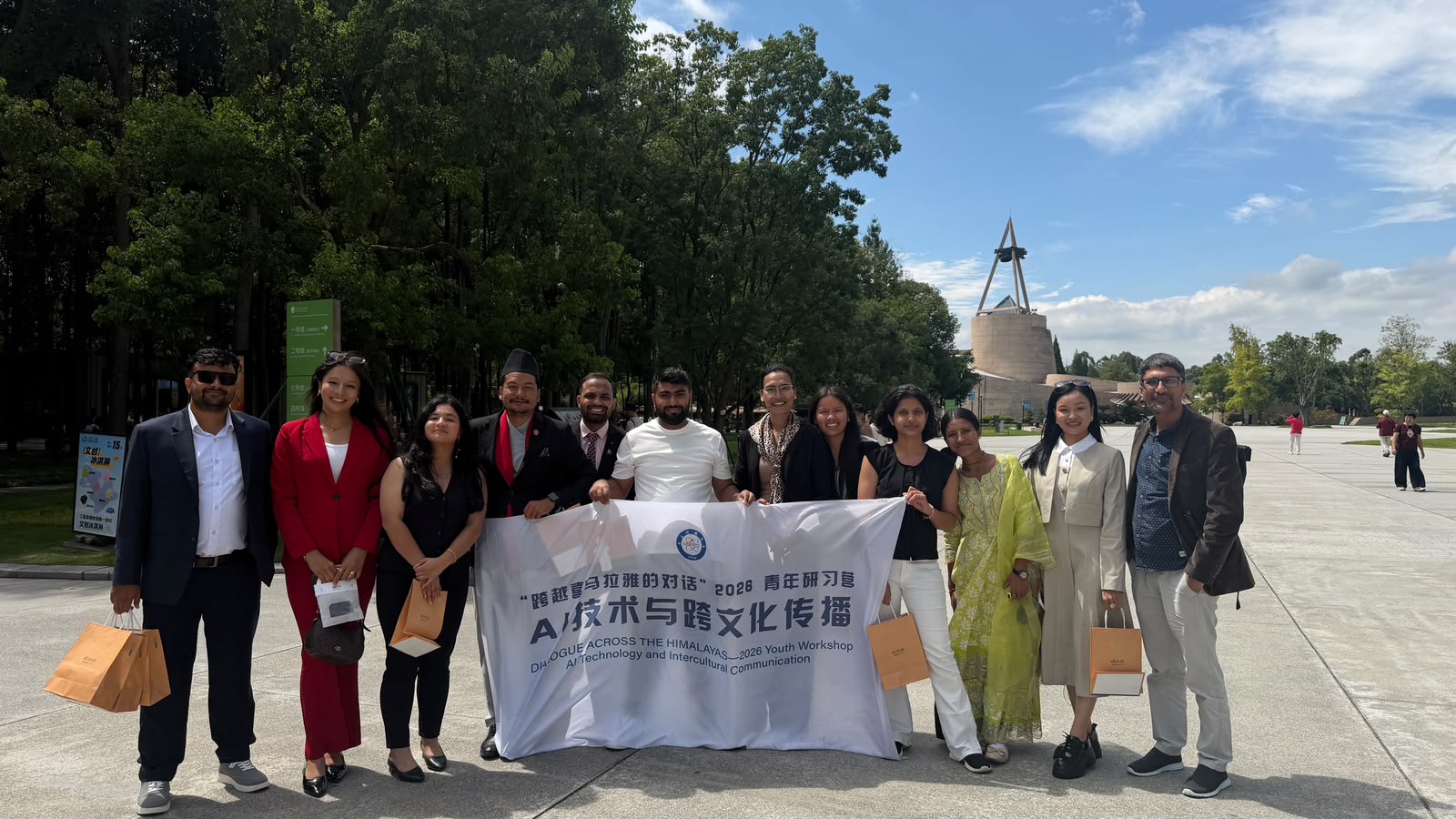
Nepali team lead by Dr. Dahal.
Dr. Dahal stated that academic cooperation between Nepal and China will continue in the coming days. "This kind of academic collaboration helps us understand the dimensional changes taking place in communication," Dahal said. "There is a significant digital divide in media technology between China and Nepal. To build digital capacity, more Nepali students studying journalism and communication will travel to China for academic exposure in the days ahead."
The delegation comprised a total of seven participants from TU, alongside two each from Pokhara University (Shristi Khadka and Amrit Bagale) and Lumbini Buddhist University (Sarmila Gorkhali and Israfil Gadi), and one from Kathmandu University (Shiva Thapa Magar).
Prof. Dr. Kundan Aryal, Head of the Central Department of Journalism and Mass Communication, noted that with ongoing collaboration with UESTC, more students will gain opportunities in the coming years. Last year, Dr. Aryal served as a visiting professor teaching intercultural communication at UESTC, while Prof. Dr. Zhang has also served as a visiting professor at TU's Central Department.
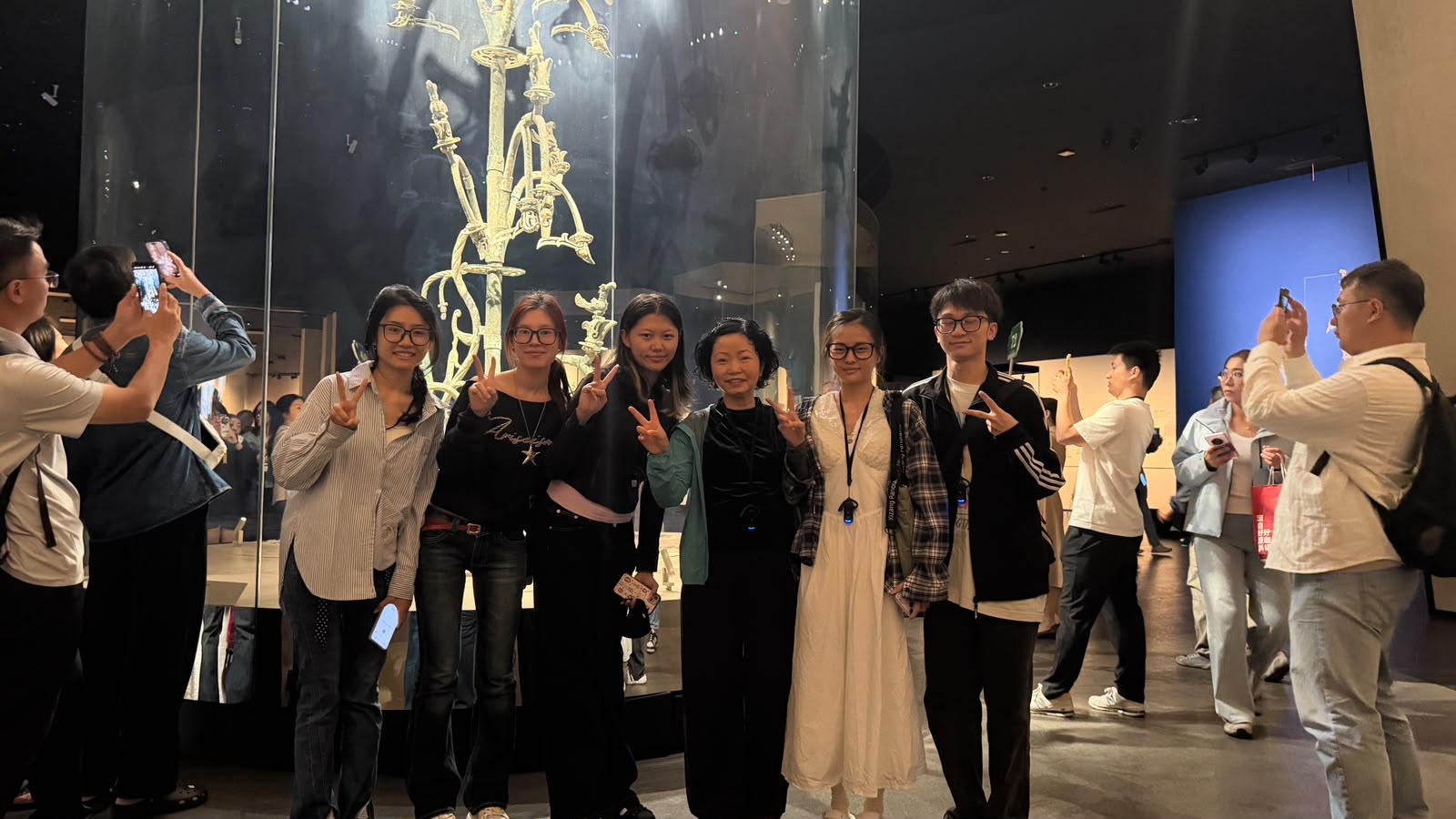
The China team who went above and beyond to make Nepali students feel welcome and at home.
From AI to Human-Machine Collaboration
The week-long program featured thematic discussions on AI and communication technology. Participants explored the use of AI tools in newsrooms, human-machine collaborative news production, managing fake and misleading information in the AI era, the role of communication in rural development through AI, and the social and cultural dynamics of the digital gaming industry.
The sessions also covered AI-driven micro-drama production and the fundamentals of AI-Generated Content (AIGC). Participants reported gaining practical knowledge on leveraging modern communication technology to enhance the impact of news and digital content. Additionally, the group undertook field visits to organizations involved in China’s tech, media, and creative industries.
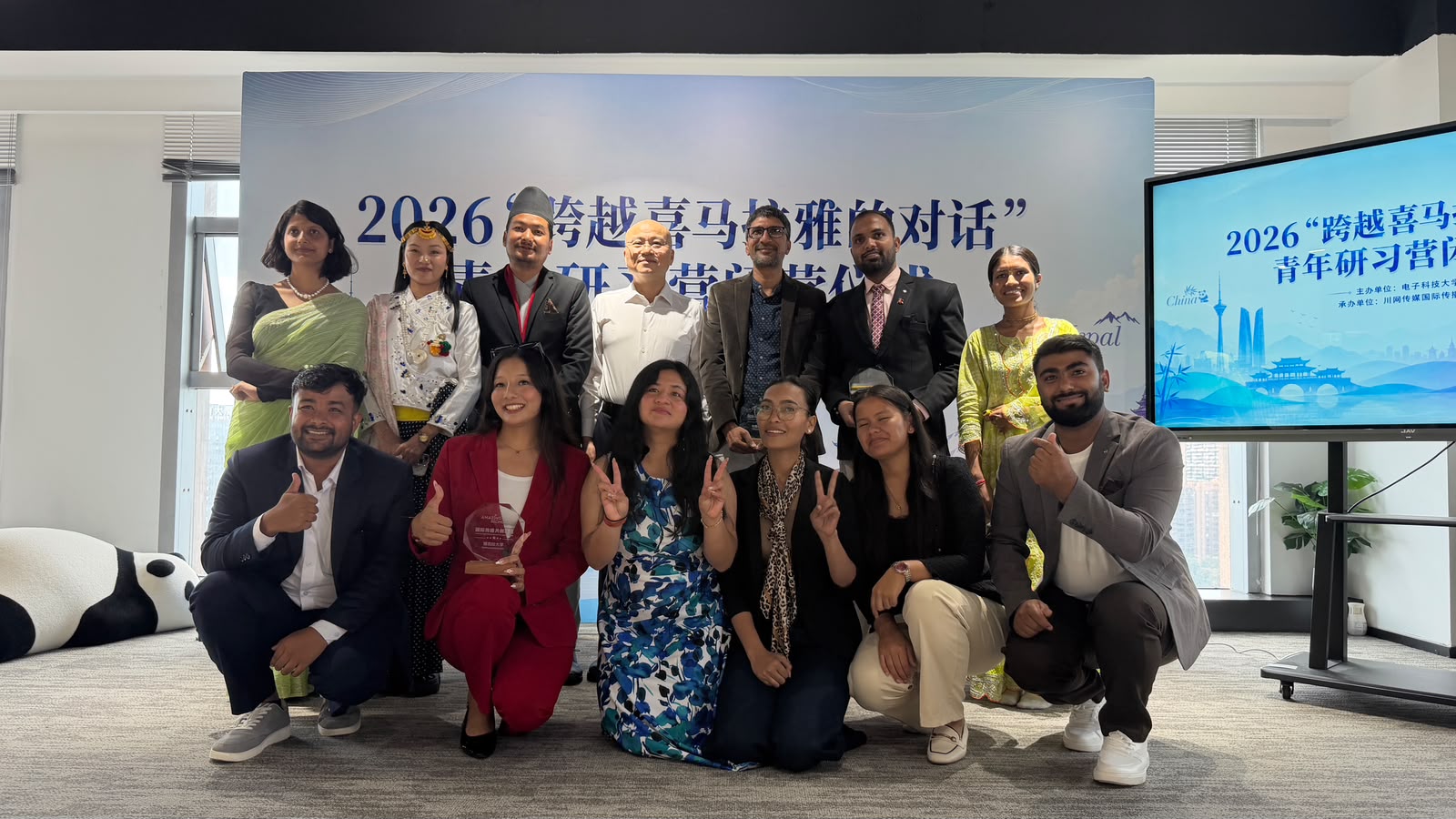
From Media Outlets to Supercomputing Centers
During the study tour, students visited CCTV's iPanda channel at the Giant Panda Breeding Research Base in Chengdu, where they were briefed on international content production and digital broadcasting.
The delegation also visited the Chengdu National Supercomputing Center, Chengdu Science and Technology Innovation Eco-Island, Tianfu Changdao Digital Cultural and Creative Park, and Sichuan Heart Future Robot Park. These site visits offered direct exposure to advances in supercomputing, robotics, AI, and digital creative industries.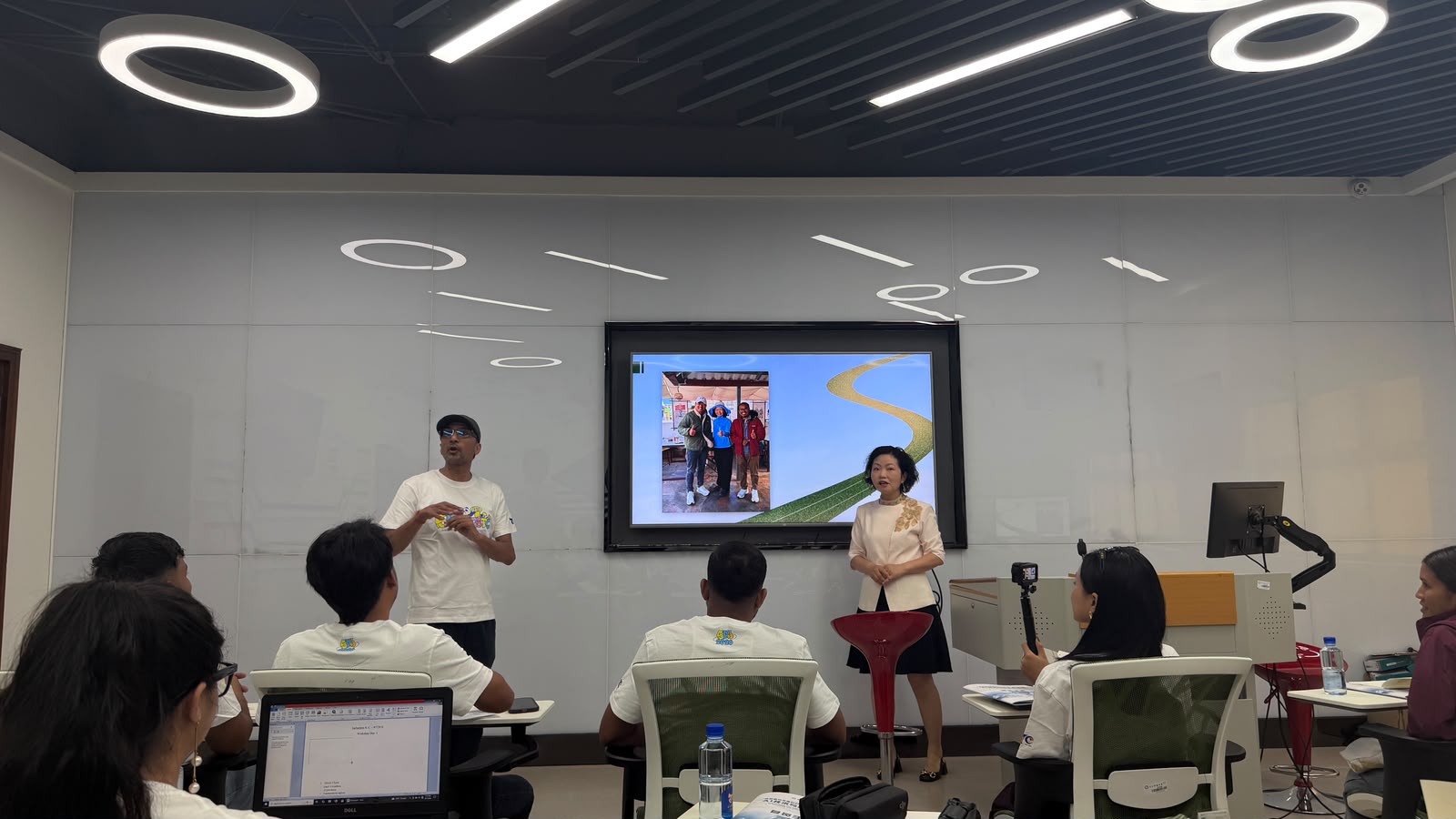
To understand industry practices in communication and film, the delegation visited the Sichuan University of Media and Communications and Chengdu Film and Television City. Participants gained hands-on familiarity with metaverse experience centers, AIGC workshops, virtual production studios, and motion-capture technology.
As another major component of the program, participants visited the Sichuan Newsnet Group and Sichuan TV. The delegation also explored China’s ancient civilization, culture, and history. A visit to the Sanxingdui Museum highlighted how China preserves its culture and civilization alongside rapid technological and modern communication developments.
Second Year of China-Nepal Academic Collaboration
TU's Central Department of Journalism and Mass Communication confirmed that this marks the second year of the China-Nepal Youth Academic Exchange Program conducted in partnership with UESTC. In the inaugural phase last year, master's students and two faculty members from the department participated in the exchange.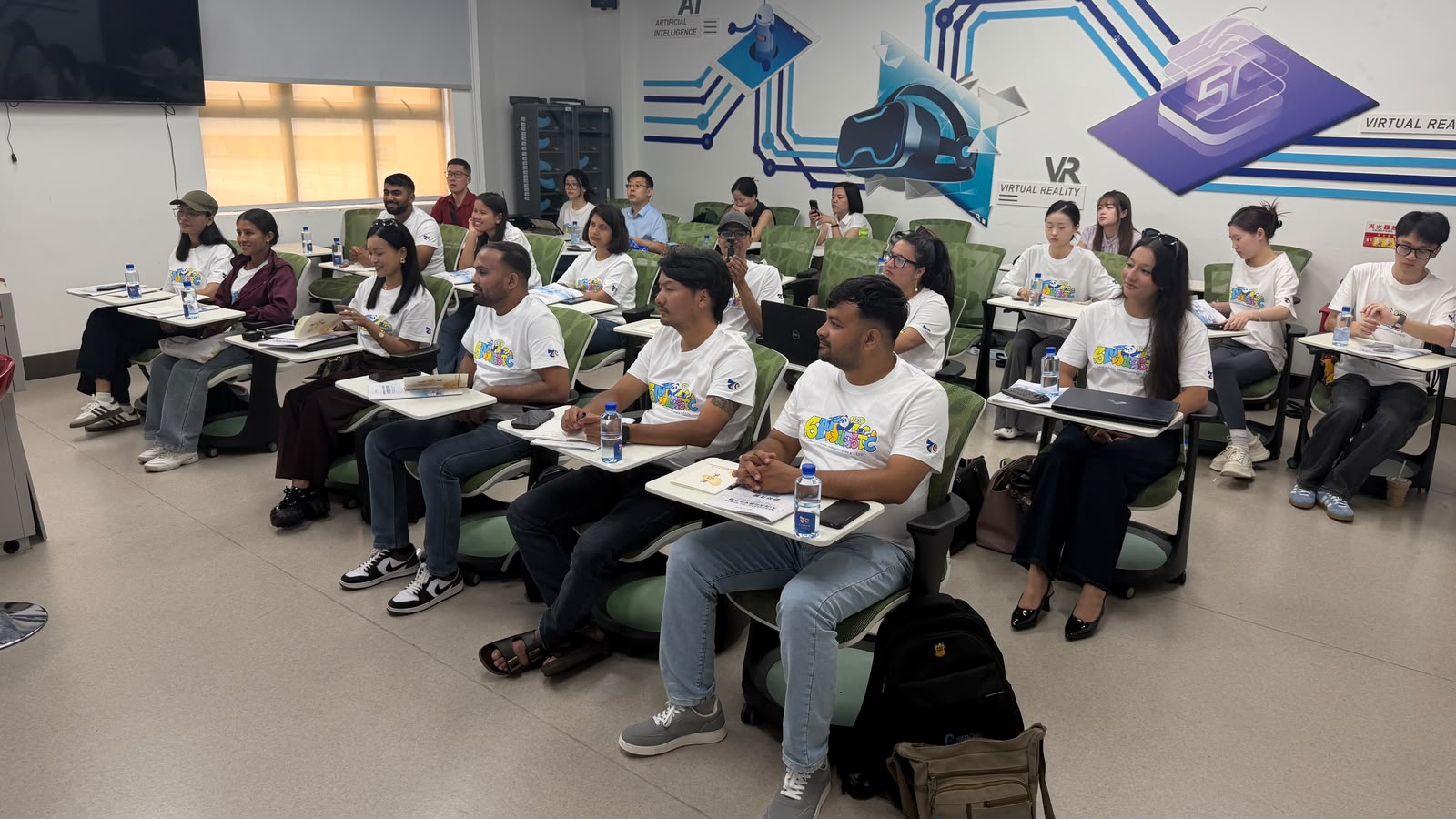
Department officials stated that the initiative provides Nepali students with international exposure to evolving practices in journalism amid rapid AI advancements, while establishing a foundation for broader academic and professional ties among youth, universities, and media sectors in both Nepal and China.
(Journalism student and news writer Giri was among the CDJMC participants on the visit.)